
The fundamentals of player psychology
Player psychology is a pivotal element in the operation and profitability of casinos. Understanding the mental triggers that influence individuals to gamble enables casinos to create environments that not only attract patrons but also encourage them to spend money. For instance, the concept of risk and reward plays a significant role in gambling behavior; players are often drawn to the prospect of winning large sums, which can cloud their judgment and motivate them to continue playing despite losses. Many players also enjoy the thrill of engaging with the best online pokies nz games available, as this reliance on their hopes and emotions serves as a foundation for several casino strategies.
Moreover, casinos utilize psychological techniques to create immersive experiences that captivate players. By employing engaging sound effects, vibrant lighting, and stimulating visuals, casinos aim to prolong a player’s stay and increase their likelihood of spending. The atmosphere is often designed to evoke excitement and anticipation, feeding into the player’s desire for risk and adventure. This sensory overload helps maintain player engagement, often leading them to overlook the time spent and the money being wagered.
Understanding the psychology behind gambling not only aids casinos in creating attractive environments but also informs their marketing strategies. Promotions that leverage psychological principles, such as introducing loyalty programs or offering bonuses, tap into players’ desire for recognition and value. By rewarding players for their loyalty, casinos foster a sense of belonging and enhance the overall gaming experience, further driving profitability.
The role of losses and the “loss aversion” principle
One key concept in player psychology is the principle of loss aversion, which suggests that individuals experience losses more intensely than gains of the same size. This psychological phenomenon plays a crucial role in gambling behavior. Casinos are aware that a player’s emotional response to losing can lead them to wager more in an attempt to recover their losses. This can result in extended play sessions, significantly increasing the potential for profit for the casino. The desire to “chase” losses often keeps players engaged longer than they initially intended.
Casinos enhance this effect by providing an environment that is easy to lose track of time in. For example, many casinos lack windows and clocks, creating a sense of timelessness that encourages players to gamble without the distraction of the outside world. This strategy further intensifies the emotional turmoil associated with losses, as players are often unaware of how much time has passed or how much they have spent. As a result, they may continue to play in hopes of reversing their fortunes, leading to potentially greater losses.

Furthermore, casinos often implement near-miss scenarios to heighten the emotional stakes of losing. These are moments when a player is close to winning but ultimately does not, such as hitting the jackpot on a slot machine with just one symbol off. These near-misses trigger a sense of hope and excitement, encouraging players to believe that they are on the verge of a win and prompting them to keep playing in pursuit of that elusive victory. This tactic cleverly plays on cognitive biases, driving further engagement and spending.
The importance of social interaction in gambling
Casinos are not merely places for individual play; they also serve as social hubs where players can interact and share their experiences. The social aspect of gambling is invaluable in promoting ongoing participation. Players often feel a sense of camaraderie with others at the gaming tables or slot machines, which can enhance their enjoyment and lead them to spend more time and money. The thrill of celebrating a win with fellow players or feeling the tension of a high-stakes game creates a communal experience that is hard to replicate in solitary gambling.
Moreover, social interactions can be carefully cultivated by casinos to encourage spending. For instance, hosting tournaments or themed nights not only draws in crowds but also enhances the overall experience for players. These events allow for engagement with others, fostering a competitive spirit that can motivate players to gamble more. The casino becomes a venue not just for gaming but for participation in a larger social event, increasing both the enjoyment and the potential for profit.
The presence of dealers and staff also contributes to the social dynamic within casinos. Friendly and engaging staff can create a welcoming atmosphere that makes players feel valued and comfortable. When players receive personalized attention and feel appreciated, they are more likely to return and spend money. The blend of social connection and gaming can amplify the psychological triggers that lead to increased gambling behavior, making it a crucial factor in a casino’s profitability.
The environment and its impact on behavior
The physical layout and design of a casino can significantly influence player behavior and decision-making. The strategic placement of games, the flow of the environment, and the aesthetic appeal are all meticulously crafted to maximize player engagement. For instance, slot machines are often positioned near busy areas to attract foot traffic, creating a frenzy of activity that encourages players to join in. This strategic arrangement can lead to more impulsive gambling decisions, as players are drawn in by the excitement surrounding them.
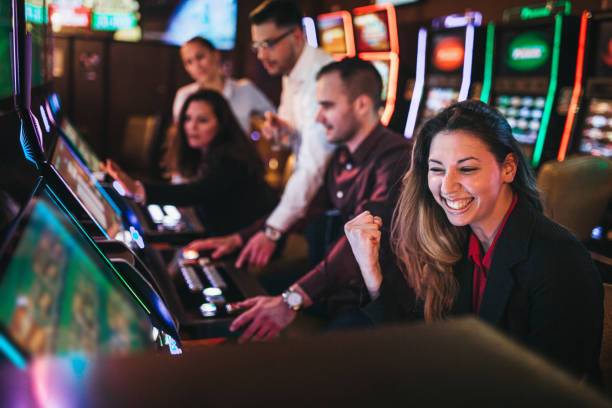
The design of the gaming floor is also crucial. Casinos often employ open layouts that foster an enticing atmosphere, inviting players to explore different games. The use of attractive colors, luxurious materials, and captivating themes enhances the overall experience, making it difficult for players to resist the allure of trying out various games. This immersive environment can effectively distract players from their losses and encourage them to continue gambling.
Additionally, the use of rewards and incentives reinforces player behavior. Free drinks, complimentary meals, or rewards programs are commonly employed to keep players within the casino longer. These offerings create a sense of appreciation and can enhance the perceived value of the gambling experience. When players feel they are receiving more for their money, they are likely to gamble more, boosting the casino’s profits while maintaining enjoyment for the player.
Understanding casino strategies through player psychology
Casinos are adept at leveraging insights from player psychology to devise strategies that enhance profitability. This understanding transcends mere observation; it involves a comprehensive analysis of player behavior and motivations. For example, many casinos use data analytics to track how players engage with different games, allowing them to tailor their offerings to align with player preferences. By focusing on what resonates with their clientele, casinos can optimize their gaming experiences to drive higher engagement and revenue.
Another key strategy is the use of loss limits or betting strategies that seem favorable to the players. While these might appear to provide an advantage, they ultimately serve to keep players engaged for longer durations. Casinos often promote bets that encourage the illusion of control, leading players to believe they can influence outcomes. This perceived agency can significantly enhance their willingness to continue gambling, ultimately benefiting the casino.
Casinos also employ psychological pricing strategies designed to appeal to players who are reluctant to spend large sums. By offering games with lower stakes, casinos can attract a broader audience while ensuring that even small bets accumulate over time. This incremental approach allows casinos to reap profits from a significant number of players without requiring any single player to wager large amounts. The combination of psychology and strategic game design creates a potent formula for sustained profitability.